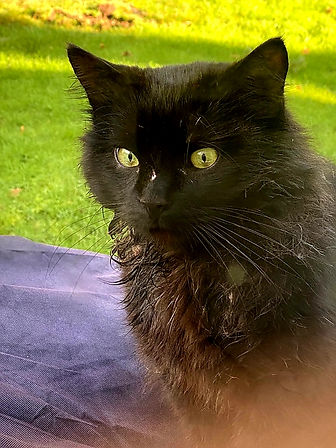
Although Surrey Cats does not have a TNR program at the moment, here is some information that may be helpful when finding community cats.
Trap-Neuter-Return (TNR)
One of the main causes of cat overpopulation is the presence of unsterilized community cats living in colonies. A colony often begins with just one or two unspayed cats, but without intervention it can grow quickly over several generations.
Unfortunately, the problem is made worse when owned cats are abandoned or allowed to roam without being spayed or neutered. Many of these cats join existing colonies and continue the cycle of reproduction.
What Is Trap-Neuter-Return (TNR)?
Trap-Neuter-Return (TNR) is the most humane and effective method of managing healthy community cat populations.
Through TNR:
-
Community cats are humanely trapped.
-
They are taken to a veterinarian to be spayed or neutered.
-
They receive a permanent form of identification (such as an ear tattoo, depending on the program).
-
They are vaccinated and treated for parasites or other medical conditions when appropriate.
-
Healthy adult cats that are not socialized to people are returned to their outdoor home.
-
Friendly adult cats and young kittens that can be socialized are placed into foster care and prepared for adoption.
By preventing future litters, TNR gradually reduces colony size over time while improving the health and welfare of the cats already living there.
Caring for a Community Cat Colony
Cats living outdoors still rely on caring people for their survival. Colony caregivers play an important role in ensuring these cats have access to food, fresh water, and shelter, particularly during periods of extreme weather.
Providing consistent care also allows caregivers to monitor the cats for illness or injury and to identify any new, unsterilized cats that may join the colony.
Found Community Cats?
If you have discovered a group of community cats near your home, workplace, or neighborhood, there are several ways you can help.
1. Contact Us
Email: info@surreycats.ca
-
The exact location of the cats.
-
Approximately how many adult cats and kittens you have seen.
-
Whether any cats appear friendly or injured.
-
Photos, if possible.
If kittens are present, it is important that they remain with their mother until an appropriate trapping plan can be developed.
Tiny Kittens and bottlefeeders call Therese at 250-320-5877 24/7
RAPS (Regional Animal Protection Society) has trappers that will come out for Moms and Kittens
2. Provide Food and Fresh Water
If you are able, provide fresh food and clean water on a regular schedule.
Please do not feed cats milk or bread.
-
Cats are lactose intolerant, and milk can cause digestive upset and diarrhea.
-
Bread provides very little nutritional value and can contribute to unhealthy weight gain.
A balanced commercial cat food is the best option. Fresh water should always be available, especially during hot summer weather and freezing winter temperatures.
3. Provide shelter
Some cats find shelter for themselves in a shed or under a building where their safety is uncertain. You might want to consider building a shelter for the cats, especially for the winter. It can keep them safe from the elements and help you control their location and deter them from neighbors’ properties.
4. Monitor their health
It is a good idea to keep an eye on the cats for general good health. Common indicators of health problems or injury include: changes in behavior, changes in eating habits, dull eyes or coat, discharge from the nose or eyes, weight loss, fur loss, changes in their gait, and listlessness. If you see any of these, email us at info@surreycats.ca for advice.

These are two brothers who live in a colony in Surrey with three other homeless cats. All were trapped, neutered, and returned to the colony. The brothers are extremely bonded and always together. They are often seen waiting for their community cat caregiver to arrive and feed them.